
toughened glass for balcony
Understanding Spirit Levels A Key Tool in Construction and DIY Projects In both construction and DIY projects, precision is of paramount importance. One of the most essential tools that contribute to achieving this accuracy is the spirit level, also known as a bubble level. This simple yet effective instrument is utilized to determine whether a surface is horizontal (level) or vertical (plumb). In this article, we will explore the functionality, types, and applications of spirit levels, emphasizing their significance in various fields. What is a Spirit Level? A spirit level comprises a sealed frame, usually made of metal or plastic, containing a liquid-filled vial. Inside the vial is a small bubble that moves freely. When the spirit level is placed on a surface, the bubble will settle in the center of the vial if the surface is perfectly level. If the bubble moves to one side or the other, it indicates that the surface is inclined. The principle behind this tool is rooted in the physics of gravity, as the bubble will always rise to its highest point in the liquid. Types of Spirit Levels There are several types of spirit levels, each designed for specific tasks and levels of precision 1. Traditional Spirit Levels The most common type, these consist of a horizontal vial and often include vertical vials for checking plumb. They come in various lengths, typically ranging from 12 inches to several feet. 2. Laser Levels These advanced spirit levels use laser beams to project a level line. They provide greater accuracy over longer distances and are particularly useful in large construction projects . 3. Digital Levels Equipped with electronic sensors, digital levels display the angle of inclination on a screen. They often come with features such as audio alerts when the surface is level, making them highly user-friendly. 4. Line Levels Small and lightweight, these levels are used in conjunction with a string line. They are primarily utilized for outdoor projects, such as landscaping or fence installation, to maintain level over longer distances than a traditional level might allow. spirit levels Applications of Spirit Levels Spirit levels are indispensable tools in various fields, including construction, carpentry, plumbing, and even photography. Here’s a look at how they are applied in different contexts - Construction Spirit levels ensure that walls are plumb and that floors are level during the building process. Accurate leveling is essential for structural integrity and aesthetic appeal. - Carpentry Carpenters rely on spirit levels to ensure that shelves, cabinets, and furniture are level for both functionality and visual alignment. - Plumbing Plumbers use levels to install pipes and fixtures properly, preventing leaks and ensuring effective drainage. - Outdoor Projects Whether installing a fence, laying sod, or building a patio, spirit levels help maintain consistent elevation, crucial for drainage and appearance. - Photography and Art A level can be used to ensure that images and frames are hung straight, contributing to the overall presentation and professionalism of visual displays. Conclusion In conclusion, spirit levels are an essential tool for anyone involved in construction, carpentry, or DIY projects. Their simplicity belies their importance; by enabling users to achieve precise horizontal and vertical measurements, spirit levels contribute significantly to the quality and accuracy of various projects. Whether you are a seasoned professional or a weekend DIY enthusiast, understanding how to effectively use a spirit level is a fundamental skill that can greatly enhance your work. So, the next time you embark on a home improvement task, be sure to have a reliable spirit level by your side to guide you toward perfection.
about
toughened glass for balcony
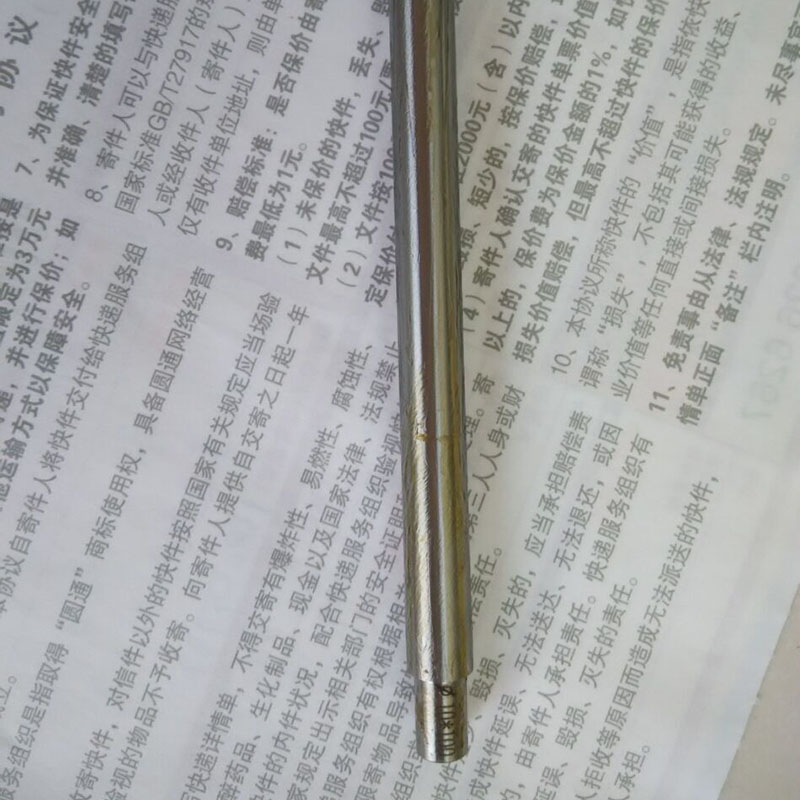
Types of Plug Gauges Plug gauges are essential tools in the field of precision engineering and manufacturing. They are primarily used to check the internal dimensions of holes, ensuring that they meet specified tolerances. Plug gauges provide a straightforward method for quality control in production processes. There are various types of plug gauges, each designed for specific applications and standards. 1. Go and No-Go Gauges The most common classification of plug gauges is based on the go and no-go principle. A go gauge is designed to fit into a hole that meets the specified size, while the no-go gauge is slightly larger and should not fit. This binary evaluation helps operators quickly determine whether a part is within tolerance. 2. Tapered Plug Gauges Tapered plug gauges feature a conical shape that allows them to gauge holes of varying sizes. They are particularly useful for situations where the dimensions might slightly vary due to manufacturing processes or material characteristics. The taper allows for better access in tight spaces while ensuring a precise measurement. 3 . Step Gauges types of plug gauge Step gauges consist of multiple steps or increments of diameter along a single shaft. These are useful when checking for a range of sizes within a single tool. Step plug gauges are particularly advantageous in complex assemblies where several dimensions must be verified quickly. 4. Interchangeable Plug Gauges Interchangeable plug gauges feature a modular design, allowing different gauge elements to be swapped in and out depending on the measurement requirements. This versatility makes them ideal for environments that require frequent changes in specifications or for facilities with limited storage space for multiple gauges. 5. Digital Plug Gauges With advancements in technology, digital plug gauges have emerged as a modern alternative to traditional gauges. These tools provide instant readings and are often equipped with features such as data logging and interfacing with computers. They offer enhanced accuracy and ease of use, especially in high-tech manufacturing environments. Conclusion Plug gauges are crucial for ensuring quality in manufacturing processes. Depending on specific needs, engineers and quality control professionals can choose from various types of plug gauges, including go/no-go gauges, tapered, step, interchangeable, and digital options. Selecting the right gauge can significantly enhance accuracy, improve productivity, and ensure that parts meet the necessary specifications for functionality and safety.
-

High quality industrial productsagement

High quality industrial products
View Details -

Meet the diverse needs of customers

Meet the diverse needs of customers
View Details -

Strict quality control

Strict quality control
View Details -

Top raw materials

Top raw materials
View Details -

Trusted supplier

Trusted supplier
View Details
Our application


news and information
Versatile Tools for Establishing Precise Right Angles in Various Projects
The Right Angle Ruler Tool A Cornerstone for Precision in Drafting and Construction The right angle

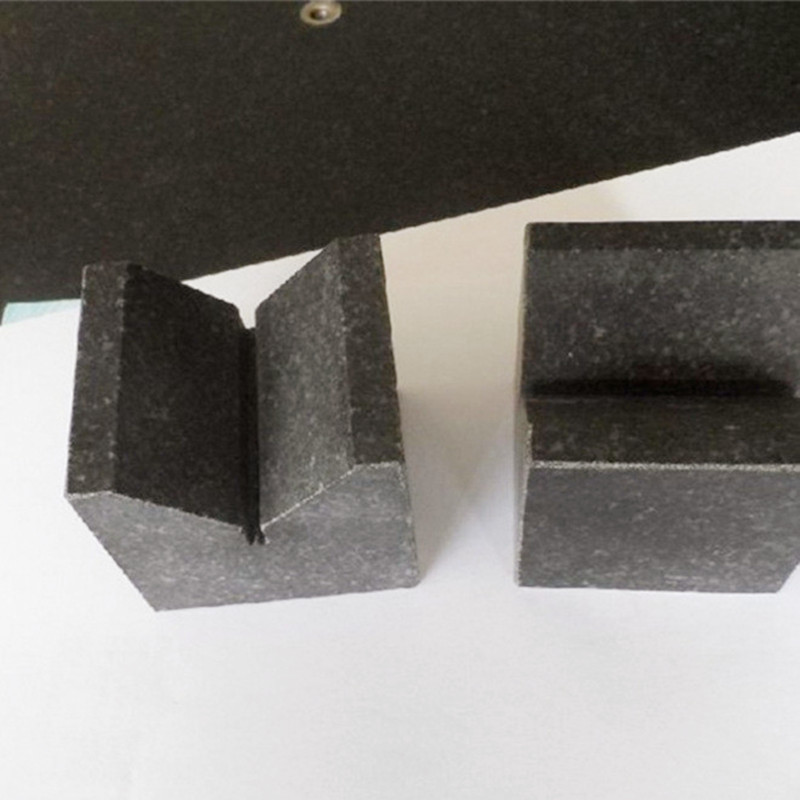
V Block Design - Innovative Modular Solutions for Modern Spaces
Understanding V-Block Design in Modern Engineering V-Block design is a pivotal concept in modern eng
Water Flow Control Valve for Efficient Shut-off Solutions
Understanding Water Shut-off Valves A Guide Water shut-off valves are an essential component in plum
 English